• Skip to main content
  • Skip to primary sidebar
  • Skip to footer

Alternative sustainable living solutions

  • Facebook
  • Instagram
  • YouTube

Donate

  • FAQs
  • Contact

ecovillage

Ongo: Bringing Nonviolence into daily life

September 8, 2025 by Trudy Juriansz

By Anne Wilson

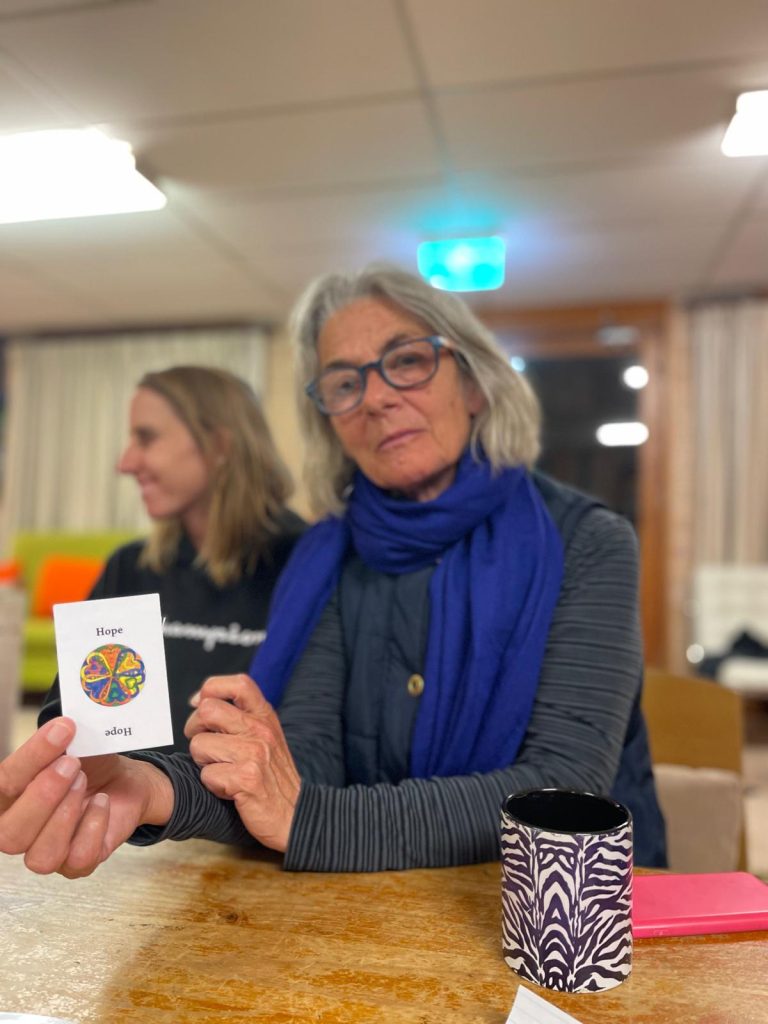
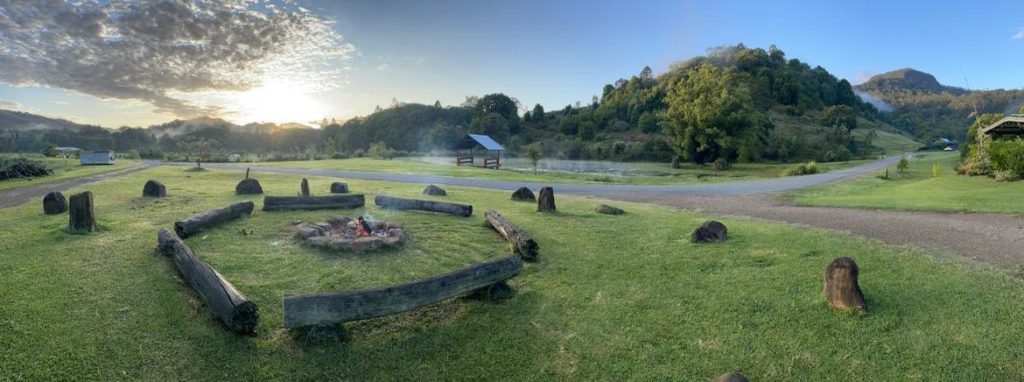
Ongo (short for Ongoing practice) is a 12-week journey for individuals, couples, and groups to embody nonviolence in daily life — at home, at work, and in community. The course is participant-led, guided step-by-step by The Ongo Book by Catherine Cadden and Jesse Chu. Drawing on decades of teaching mindfulness, Nonviolent Communication (NVC), and nonviolent direct action across six continents, the authors created a resource to help people bring peace, compassion, and wisdom into the messiness of everyday life. As they put it:

“At the end of the day, everyone wants to know how to do it at home, at work, or in their community. We know from our own experience that it’s not easy. Life is messier outside of the workshop or retreat. Without some form of ongoing inspiration, guidance, and support for practicing peace, wisdom, and compassion, most of us default to ways of being that we don’t enjoy.”

The book offers inspiration from nonviolent leaders past and present, practical exercises, and a clear framework for companions and groups to support one another through 12 weeks of practice.

I was first introduced to NVC while living at Goolawah Land-sharing Co-operative near Crescent Head, NSW, where we formed a practice group around Marshall Rosenberg’s book and recordings. Later, my friend and mentor Wendy Haynes gave me The Ongo Book, and in 2020, just before moving to Moora Moora, a close friend and I began the 12-week journey together via phone and video calls. It became a lifeline during the pandemic — helping us connect deeply and providing a supportive framework to meet challenges with more peace and growth.

Like many others, I had found it easy to fall back into habits of judgment and control, even when using the “right words” of NVC. What made Ongo different was the mindfulness element: calming the nervous system before engaging with others, focusing on intention to connect, and building peaceful responses through daily practice. Over time, I found that peaceful communication became more natural and less effortful.

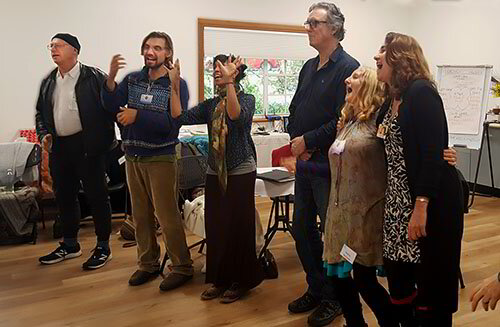
At Moora Moora, interest soon grew into a group of eight people meeting in person and online during lockdowns. To our surprise, the online sessions were just as deep and connective when everyone could see and hear each other clearly. Since then, we’ve completed the 12-week program twice more, and now continue with fortnightly sessions, weaving in related practices and addressing live issues. This ongoing practice has shifted how we meet conflict — moving us from blame and shame toward observing, naming feelings and needs, and building understanding. It’s gradual work, but it gives me hope.

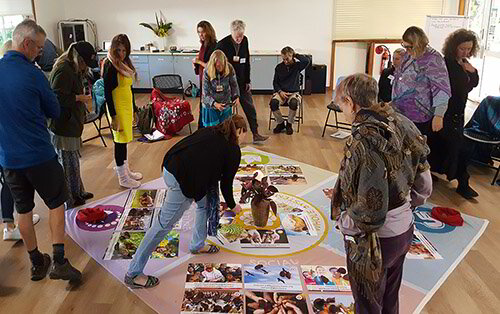
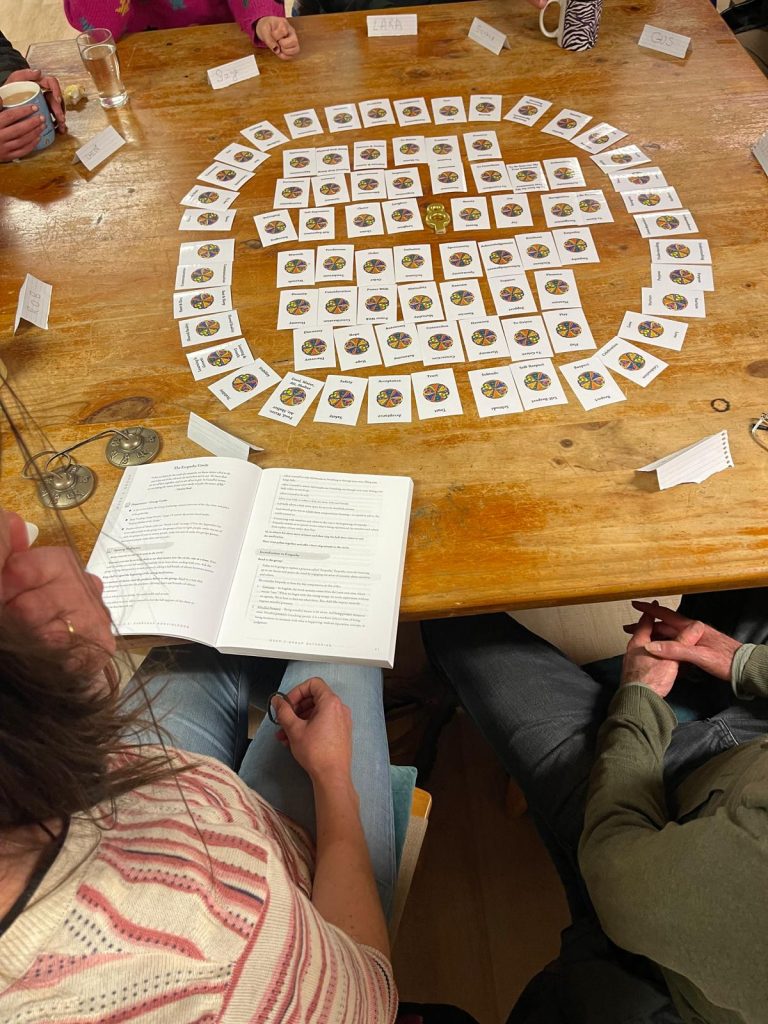
Another gift of Ongo is its accessibility: because the book is so well structured, you don’t need an expert trainer. All it takes is one person to initiate and a few others willing to join, each with a copy of the book. I shared this at the Woven Intentional Communities Conference earlier this year, where members of Narara Ecovillage became curious. When visiting friends there recently, I offered an evening workshop with an Empathy Circle, a core Ongo practice. I was touched by how quickly the group — some of whom had never met — could connect authentically and listen deeply simply by following the guidance in the book. I left heartened that Narara may soon begin their own group.

That experience has inspired me to share Ongo more widely. I’ll be running a free 3-week online introduction to Ongo in the coming months. If you’d like to take part, please reach out at [email protected]To learn more about Moora Moora https://mooramoora.org.au/
Filed Under: cooperative, ecovillage, education, experiential learning, intentional communities, land-sharing communities, projects Tagged With: cooperative, non-violent communication

Afterlee’s next chapter

September 8, 2025 by Trudy Juriansz

Afterlee Ecovillage has now commenced Round 2 of land sales as key infrastructure works begin to take shape. This next stage of development marks an exciting milestone for the community, with several homesites currently available for new members.

One of the unique features of Afterlee is its connection to the old primary school on-site, which the community envisions slowly transforming into a vibrant new learning space. The village is particularly seeking young families who are inspired to help co-create this school, weaving education with regenerative living, creativity, and community values.

As the project evolves, governance is also shifting. With the support of co-founder Shane Sylvanspring (Planning Regenerative Communities) gradually stepping back, the community is preparing to take on greater responsibility for self-governing and decision-making. This marks an important step in the long-term resilience and autonomy of the village.

On the ground, the focus for 2025 is on developing essential infrastructure to support the incoming homesites. Works are underway to build roads, install a microgrid for renewable energy, and establish sustainable wastewater systems. These foundations are paving the way for a thriving, low-impact community that is deeply connected to the land.

Afterlee Ecovillage is more than a housing project, it is an opportunity to be part of a pioneering community that values cooperation, ecological design, and intergenerational connection. Whether you are a family, an individual, or a couple looking to live more regeneratively, Afterlee offers a chance to co-create a future together.For those interested in learning more, the community welcomes visitors for site tours and conversations about membership. To find out more or to book a visit, please go to: www.afterleevillage.au

Filed Under: ecovillage, intentional communities, land-sharing communities, projects, regeneration Tagged With: infrastructure, regeneration, school, village

Living the vision: Narara Ecovillage’s perfectly imperfect path to regenerative living 

September 8, 2025 by Trudy Juriansz

By Tanya Mottl

We’re a group of neighbours on the Central Coast who decided to try something different – to build a place where people, land and future generations can thrive together. Guided by a shared Vision and Mission rather than rigid rules, we use Sociocracy for consent-based decision-making, practise circularity and regeneration, and align our projects with One Planet Living and the UN Sustainable Development Goals. Our monthly Open Days, John Seed’s Deep Ecology workshops and hands-on natural-build, bushfire hazard protection and garden sessions are where new ideas move quickly from conversation to practice.

Because we organise ourselves around inclusion and shared responsibility, things get done without sidelining quieter voices. Sociocracy keeps our meetings practical and respectful; it means decisions reflect the community, not a handful of personalities. When we design homes or run community projects, we aim for solutions that lower waste and long-term costs, support re-localised supply chains, and grow everyone’s skills so resilience isn’t just a word but a day-to-day reality.

That daily reality looks like families playing together, volunteers learning straw-bale or earth-building techniques, and neighbours co-designing emergency plans with lessons from the GEN Resilience Project 2.5 and Keystone Communities. For us, the real benefit is the lived outcome: people belonging to something larger than their household, sharing knowledge and resources, and having practical capacities to cope with shocks – from storm damage to supply disruptions.

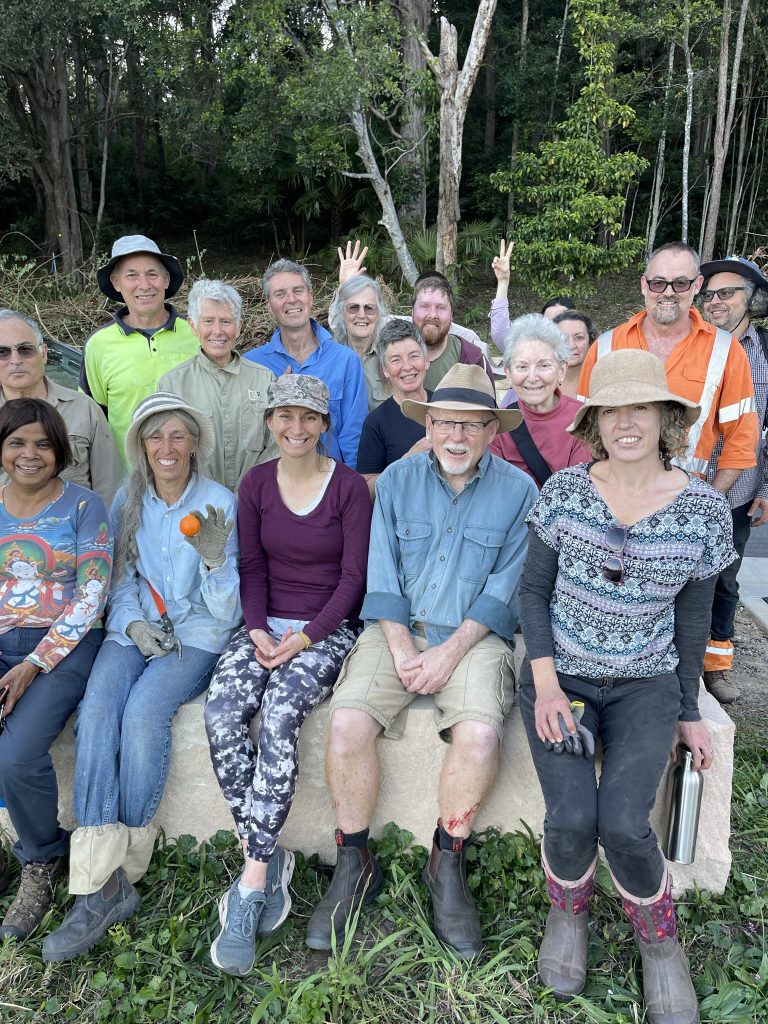
We’re still growing – Stage 2 is largely sold and new homes are going up fast – and that momentum matters. More households means a broader mix of ages, skills and perspectives, which strengthens our intergenerational foundation and makes it easier for newcomers to find support and shared infrastructure as soon as they arrive. We welcome prospective families who want to learn, contribute and be part of a practical experiment.

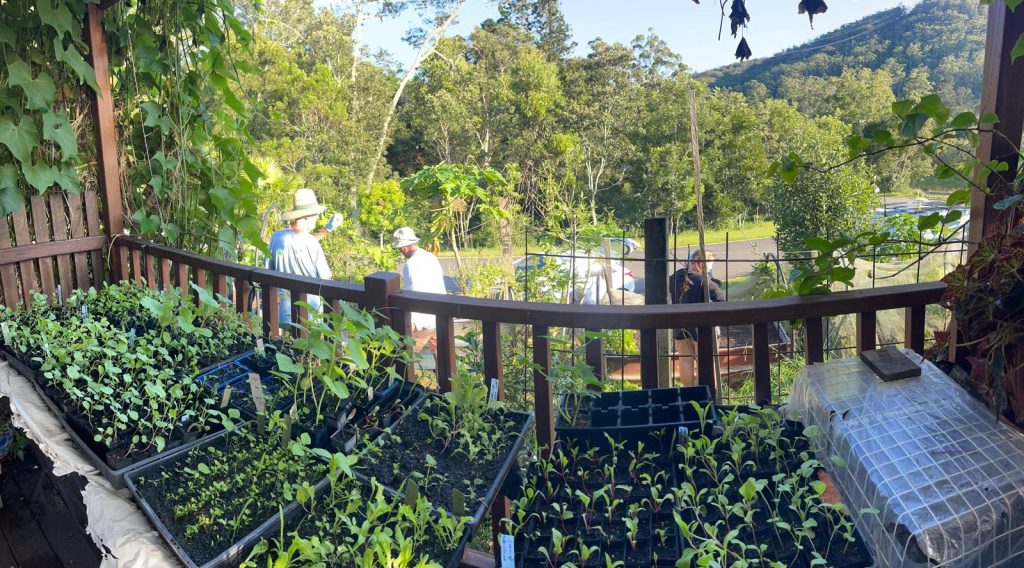
Volunteers come to help on natural builds and in the gardens, taking home skills they can use elsewhere. At the same time, we’re seeking a committed CSA farmer to anchor local food production, enrich our food security, and run educational programs that get kids and adults into the soil. Rising building costs since COVID have made labour-based, community-supported approaches even more important for affordability and training.

We keep track of what we’re learning – impact data, lessons from projects, and the networks we’re part of like AlterCOP and GEN.  We’re taking the momentum from Moora Moora’s Woven Intentional Community Conference into our Nov Before the Tide gathering. Sharing our wins and failures helps other communities adapt faster than we did. We’re not perfect; we’re perfectly imperfect – trying, failing, adjusting and celebrating small wins that add up.

We invite visitors to come to an Open Day, join a workshop, or listen to one of our members’ podcasts. Meet people who are doing the hands-on work of building resilient, connected living. Find upcoming events and more at www.nararaecovillage.com or on Facebook.

Filed Under: ecovillage, education, intentional communities, land-sharing communities, regeneration

Gulpa Creek Community Farm

September 8, 2025 by Trudy Juriansz

Where the bush breathes, history whispers, and the river sings

By Alex Schoeffel

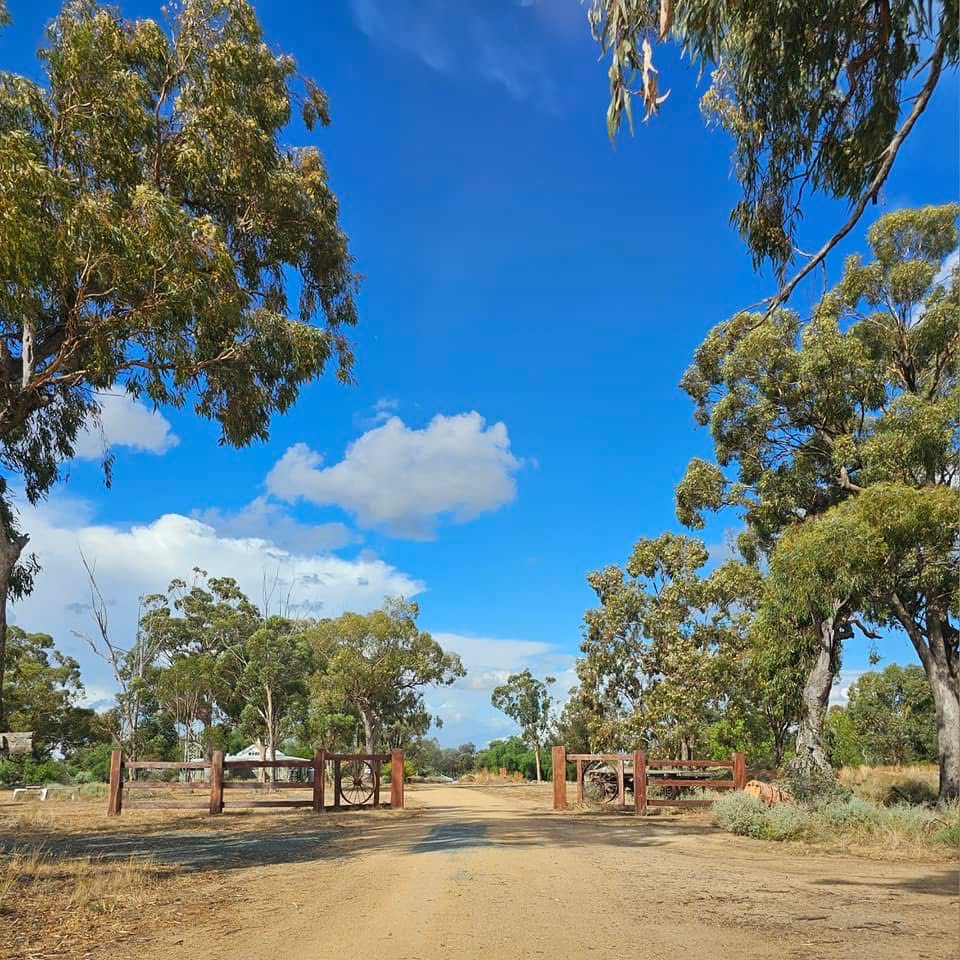
Tucked beneath the wide skies of southern New South Wales, Gulpa Creek Community Farm (GCCF) is more than just a farm – it’s a living, breathing expression of connection to land, people, and place. Located near the historic Cobb Highway, between Deniliquin and Mathoura, GCCF is part of a powerful local movement to regenerate country, honour cultural and ecological heritage, and live cooperatively in harmony with nature.

Visitors and members alike often speak of falling in love with the unique spirit of this place. It’s in the dappled morning light filtering through towering river red gums, in the meandering waters of Gulpa Creek, and in the quiet companionship of shared work and seasonal rhythms. There’s a romance here – of the bush, of story, of stillness – that seeps into the soul.

The romance of the bush

At Gulpa Creek, the bush is not a backdrop – it’s a participant. The farm nestles within a landscape of shifting light, rich birdlife, and native forest that holds deep cultural significance for the Traditional Custodians of the land. Daily life here is shaped by the forest’s moods: the scent of eucalyptus after rain, the chorus of frogs, the rustle of echidnas in the undergrowth. People come to rest, reset, and reconnect – with themselves, with each other, and with Country.

Cobb highway: Thread of living history

Running past the region, the Cobb Highway still carries the echoes of old stagecoaches and drovers, linking remote communities across the Riverina. For many, the road is more than asphalt – it’s a living ribbon of Australian history, threading through pastoral lands, wetlands, and red gum forests. Members of GCCF often describe the drive to the farm as a kind of transition – leaving behind the rush, entering into something older, slower, and sacred.

Majesty of the river and red gums

The Gulpa Creek, a meandering anabranch of the Murray River, winds its way through a forest of ancient river red gums, forming one of the largest continuous stands of its kind in the world. These trees, centuries old, shape not just the ecosystem but the spiritual presence of the land. For the community, mornings on the creek’s edge are sacred: mist rising, birds wheeling overhead, and the deep silence that only forests can give.

Filed Under: ecovillage, intentional communities, land-sharing communities Tagged With: bush, ecological heritage

Balaya Buyul Community – Regenerating land and culture in the Byron Shire

September 8, 2025 by Trudy Juriansz

By Shane Sylvanspring

The Balaya Buyul Community, located in the Byron Shire and part of the Global Ecovillage Network (GEN), is entering a significant new chapter. After years of visioning, collaboration, and persistence, the community is only weeks away from receiving final sign-off from council. This milestone will enable members to begin working directly with council on the design and construction of large homes on their homesites, creating the physical foundation for their shared future.

Yet the heart of Balaya Buyul lies not only in building homes, but in healing the land they are now custodians of. The community borders more than 2 kilometres of river frontage, an area heavily impacted by over 100 years of poor land management practices. Recognising both the responsibility and privilege of stewardship, Balaya Buyul has partnered with local Landcare groups to repair and regenerate this vital ecosystem.

Already, the community has achieved remarkable progress: more than 2,000 native trees have been planted, and 1 kilometre of riverbank has been carefully restored. These efforts are not only bringing back biodiversity and stabilising the river system, but are also renewing cultural and ecological connections that will benefit generations to come.

Balaya Buyul stands as a living example of what is possible when communities work together to regenerate land while building regenerative lives. Their journey reflects a balance of collaborative governance, ecological restoration, and deep respect for place. As homes rise and trees take root, Balaya Buyul is creating a thriving model of community-led regeneration in the Byron Shire and beyond.

Filed Under: ecovillage, intentional communities, land-sharing communities Tagged With: Byron Shire, Community, restoration, Stewardship

Sharing hearts at Renew Fest

May 30, 2021 by Trudy Juriansz

The Renew Fest was a beautiful space set at Mullumbimby Showgrounds, 7-9 May 2021. It was a relaxed family atmosphere with hundreds of people from near and far buzzing with excitement to meet each other but also with concerns about the multiple crises, such as the affordable housing and bushfire, we are currently facing here in Australia.

Our small team, Shane Sylvanspring, Trudy Juriansz and Sion Zivetz, set up an information stall so we could share about ecovillages and the movement both in Australia and globally. We displayed the ecovillage design cards and shared stories and insights from communities and community led projects. We were also joined by familiar faces from the GEN network who are ecovillagers themselves, have done GEN education programs or are ecovillage advocates.

Some key insights that came for some of us was about processing conflict in our own communities, how to deal with different levels of conflict and how to create a safety net for people dealing with conflict in communities.Judy Atkinson shared trauma stories from indigenous and non-indigenous people and creating safe space and the need to learn how to create safe spaces. 

I was so excited to run the stall and chat with people but it was also tiring as I had to also take care of my daughter, Maia. The one session I was only able to attend fully was on anti-racism by Erfan Daliri. For a person of colour, an immigrant to Australia and someone who has been affected by racism at various points in my life, I was immensely touched and felt very vulnerable.  If nothing else, this was cutting edge for me – to have the conversation so openly on race/ethnicity in this type of space.  I truly appreciated that this piece was held at the festival.  It reminded me that the heart of ecovillage is culture – looking at the dominant worldview and understanding how and why we have come to be here. And how might we rethink and reshift these structures so we can embrace each other fully. 

Filed Under: ecovillage, event

My Journey into ecovillage-ism

October 16, 2020 by Tanya Mottl

As a newcomer to the world of ecovillages, and a passionate member of GEN Australia, I’m noticing many changes and great opportunities unfolding. Let me share those with you.

        While living in Prague and teaching English for four years, I’d focused on environmental lessons and I thought that Australia was quite environmentally progressive. On returning to Australia in early 2019, I wanted to explore ecovillages and ecologically sound lifestyles… friends pointed me to Narara. Due to an imminent hip replacement, fulfilling my dream of going to Findhorn Foundation (the renowned ecovillage in Scotland) wasn’t happening soon I felt it best to look at Plan B – Australia!

        Narara Ecovillage Open Day in May 2019 was sticky and hot. Loads of welcoming people and the foundations of great buildings underway, yet, being a sailor, I noted no ocean breeze. Although I was satisfied to realise this part of my dream, I wasn’t feeling great physically nor did I like the sweat. Could I consider living “so far” from the sea without a cooling Nor-East summer breeze? Yes, yes, first world issues!

         Why was I here? I was becoming increasingly agitated about what we humans were doing to our planet and wanted to find out how I could contribute to regeneration by reinventing and transforming my skills – and joining. The Impact Assessment Survey of Ecovillages by GEN had prompted me to learn more. I resonated with the presentation by Narara’s founder Lyndall Paris and that their vision was to be a ‘demonstration ecovillage’. I was also very excited to discover a Training of Trainers experiential training program was being run the next month and registered. What a treat I was in for!

Just a month after the first Open Day at Narara, I was grateful to observe the village in another season. It seems I was starting to use Permaculture Principle #1 – Observe and Interact! Sailors do that instinctively!

    So began a remarkable five day immersive program… and the beginning of my own transformation; reconnecting with my country of birth and the growing recognition of the knowledge and custodianship of First Nations people to the land. No matter our backgrounds, participants were able to relate to the dimensions of sustainability – ecology, economy, social and cultural.

We explored many ways to have meaningful conversations utilising the GEN Ecovillage Design Cards and what they meant to us in our own bioregions. Most importantly, we looked at solutions and ways to partner with other organisations.


GEN Australia workshop - Kosha

I enjoyed watching Kosha Joubert, former GEN CEO, (far right in photo) Trudy Juriansz, (3rd from left) Networking Director GEN & GENOA, and Shane Sylvanspring (2nd from left), GEN Australia, all experienced in the facilitation of ecovillage design education programs. All the participants had something rich to contribute. Seasoned permaculture teachers Morag Gamble and Paula Paananen shared about their work in developing countries and what environmental degradation these colonised countries were facing as a result of industrialisation.


The Narara Ecovillagers were all so welcoming, helping to create a participatory learning and community space. From the training and diverse experiences in the room, I started to realise that actually Australia wasn’t so environmentally progressive after all – despite our enormous resources readily available!

Wendy Armstrong, a participant from Tasmania, spoke about GEN Australia being a national network, part of the region of GENOA and part of the growing Global Ecovillage Network… sharing that GEN’s purpose is to catalyze communities for a regenerative world through initiatives that bridge cultures, countries, and continents. I liked this!  So, I then dived into the Network meetings from the next month to find out more and expand my learning from the week.


 My attendance of the Narara workshop entitled me to apply as an “Ambassador”… AND I had a vision! These fabulous design cards and the experiential processes would be excellent resources for training in sustainability and regeneration in schools, businesses and communities. The time to take action was ripe! 

        Then, in 2019 and beyond, those horrific bushfires, flooding, unbroken drought in some rural areas, and from March 2020 the COVID-19 pandemic has been shocking to say the least. The call to take action was echoing louder!

        I liked that GEN Australia was made up of passionate and experienced, as well as novice, ecovillagers who draw upon the resources of the wider GEN network, permaculture principles and the alliance with GAIA Education.

        I was learning about how the organisation was growing from people who had connected with GEN in Findhorn and were expanding the network here in Australia since 2011. They had gathered in 2016 at the Tasman Ecovillage.

        The founding team were – Wendy Armstrong from Tasman Ecovillage, Andrew Olivier, a GEN Board member based at Narara, Shane Sylvanspring from Balaya Buyul Community, Sue Gilbey from Christie Walk – also supported by John Talbott who has acted as advisor and mentor with his 25 years experience at the Findhorn Foundation. From that early strategic meeting, GEN Australia was registered and a constitution formed.

        I started to learn of the early elders – Max Lindigger, co-designer of Crystal Waters, QLD, Australia, who actually set up GENOA, and Helena Norbert Hodge who spent time in Ladakh and saw how western “development” destroyed principles that had functioned perfectly for centuries in economy, building, farming and social and cultural interactions too. I’d seen her too in 2040, Damon Gameau’s popular documentary about localisation.

        Of course, others participated in community building and carrying forward the vision of GEN and strengthening the links with GENOA. Peter Gringinger also instigated GEN Australia’s involvement at events such as Melbourne’s Sustainability Festival in 2017, Chris Gibbings was a vision Councillor for GENOA. >>> https://www.genaustralia.org.au/home/bios/

        Global Ecovillage Network in Oceania and Asia (GENOA) is a regional body which promotes ecovillage living throughout the region where people live together in a sustainable way, with dignity, and in harmony with each other and with nature. Since 2011, representatives of GEN Australia have been working with and attending GENOA gatherings.

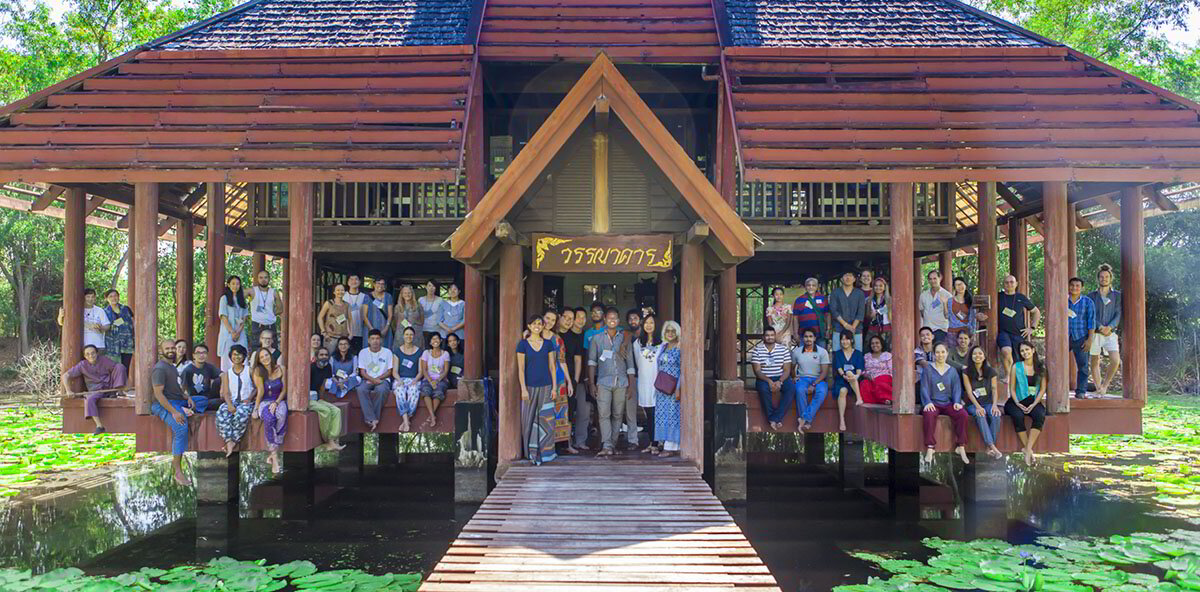
The last regional event was in 2018 at Wongsanit Ashram in Thailand. This gathering held space for 75 people from 14 countries. The next GENOA regional event was due to be in 2020 in Auroville, India however that has turned into an online event.

GENOA Gathering 2018 - Photo by Eugénie Dumont
GENOA Gathering 2018 at Wongsanit Ashram, Thailand

Filed Under: ecovillage, experiential learning, network

Primary Sidebar

Recent News

  • Ongo: Bringing Nonviolence into daily life
  • Afterlee’s next chapter
  • Living the vision: Narara Ecovillage’s perfectly imperfect path to regenerative living 
  • Gulpa Creek Community Farm
  • Balaya Buyul Community – Regenerating land and culture in the Byron Shire

Sign up to be informed on GEN Australia

* = required field

Top Footer

Support GEN Australia

Donating funds to GEN Australia is a tangible way to support a regenerative movement. Your contribution to GEN Australia supports our vision to grow a network of empowered communities, individuals and organisations and helps spread ecovillage solutions more widely.

Join our Newsletter

Subscribe to our newsletter and hear stories from communities and projects in Australia, and hear about the latest news, jobs, opportunities and events from our network.

Volunteer with GEN Australia

There are many ways you can support GEN Australia with our time, energy and skills. We invite you to volunteer with us and deepen your learning and connection with ecovillages and people who share a vision for a positive healthy future.

Footer

WHO WE ARE

  • Our Purpose
  • Governance
  • Our Team
  • Partners
  • FAQs

WHAT WE DO

  • Education
  • Gatherings
  • Ecovillage Transition
  • Networking
  • Projects
  • Consultancy
  • Advocacy

GET INVOLVED

  • Support us
  • Ambassadors
  • Volunteer
  • Stories
  • Newsletter
  • Events

Our Vision

We envision a growing community of empowered communities, individuals and organisations who,  guided and inspired by Australia’s unique, deeply loved nature, collaborate and celebrate whole systems design in regenerating our diverse lands, people, cultures and economies. 

Copyright © 2001–2026, all rights reserved